
Divorce Lawyer Brampton
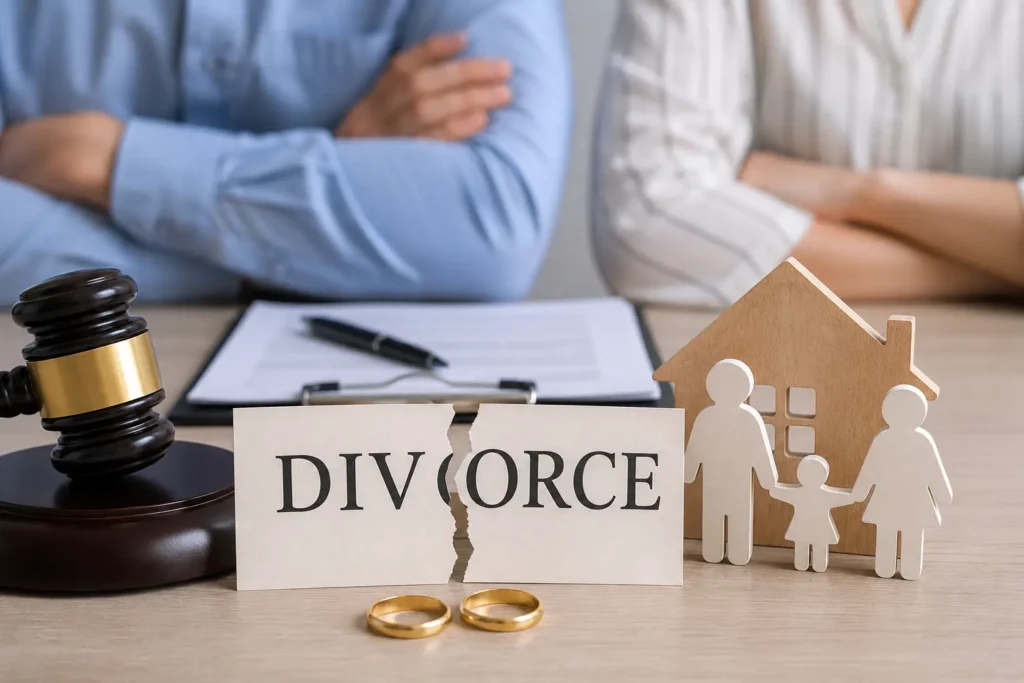
Divorce in Ontario involves important legal and financial decisions that can significantly affect your future — from parenting arrangements and child support to dividing the family home and other property. An experienced divorce lawyer in Brampton can guide you through the process, protect your rights, and help resolve disputes efficiently, whether your matter is uncontested or contested. At Batra Law Offices, we help clients across Brampton and the Greater Toronto Area navigate divorce and separation with clear, practical legal advice under Ontario’s Family Law Act and the federal Divorce Act.
Grounds for Divorce in Ontario
Under Canada’s Divorce Act, there is only one legal ground for divorce: the breakdown of the marriage. This can be established in one of three ways:
- Living separate and apart for at least one year (the most common route, and the only ground that does not require proving fault)
- Adultery by one spouse
- Physical or mental cruelty that makes continued cohabitation intolerable
Ontario operates under a no-fault divorce system for the one-year separation ground, meaning personal conduct — including adultery — does not affect decisions on child custody, child support, spousal support, or property division. Adultery or cruelty can allow you to file before the one-year mark, but most divorces still proceed on the separation ground.
Divorce vs. Separation in Ontario
Separation and divorce are not the same thing. You are legally separated the moment you and your spouse begin living separate and apart, even if you continue living under the same roof in some circumstances — you do not need a court order or a lawyer to separate. Divorce is the formal legal process that ends the marriage itself. Many couples negotiate a Separation Agreement during this period to formalize arrangements for parenting, support, and property before or instead of proceeding to divorce.
The Divorce Process in Ontario: What to Expect
Divorce applications in Ontario are generally straightforward once eligibility is met, but the overall timeline depends heavily on whether both spouses agree on the key issues.
Uncontested Divorce
An uncontested divorce is the fastest and least expensive option. It happens when both spouses agree on all major issues — parenting, support, and property division — and simply need the court to formalize the divorce. Because eligibility still requires the one-year separation period, most uncontested divorces are finalized within six to nine months of meeting that requirement, once the paperwork is filed correctly.
Contested Divorce
A contested divorce arises when spouses disagree on one or more issues, such as parenting arrangements, support amounts, or how to divide property or a family business. These matters often require negotiation, mediation, or court involvement, and can take considerably longer and cost more than an uncontested divorce. Early legal advice can help narrow the issues in dispute and avoid unnecessary delay.
Divorce and Separation Issues We Handle
Divorce rarely involves just one legal issue. Our Brampton family law team regularly advises on:
- Child Custody and Parenting Time
- Child Support and Spousal Support
- Division of Property and the Matrimonial Home
- Separation Agreements
- Uncontested and contested divorce applications
- Business Income and Division for spouses who own a business
- Enforcement of court orders
- Family law mediation and negotiation
- Foreign Divorce Opinion Letters for recognition of a divorce obtained outside Canada
If you’re formalizing a relationship rather than ending one, our team also prepares Cohabitation Agreements and Prenuptial Agreements.
How Much Does a Divorce Cost in Ontario?
Divorce costs vary widely depending on complexity: whether children are involved, how property and any business interests are divided, and how much the spouses agree on. Straightforward, uncontested divorces are typically the least expensive. Costs rise when spouses disagree and the matter requires extended negotiation, mediation, or court involvement. Getting clear legal advice early is one of the most effective ways to control cost and avoid unnecessary conflict.
How Long Does a Divorce Take in Ontario?
Once eligibility is met — typically after the one-year separation period — courts generally process a divorce application within a matter of months. Most couples who reach an agreement during the separation period can expect their divorce to be finalized within six to nine months of filing. Contested matters involving disputes over parenting, support, or property can take considerably longer.
Do I Have to Leave the Matrimonial Home During Separation?
No. Both spouses generally have an equal right of possession to the matrimonial home during separation, regardless of whose name is on the title, until a settlement is reached or a court order specifies otherwise. Leaving the home does not automatically forfeit your rights to it, but the specifics can affect negotiations — it’s worth getting legal advice before making that decision.
Can I Change My Name After Divorce?
Yes. After a divorce, you can revert to your birth name, choose a new name, or continue using your former spouse’s last name — the choice is entirely yours, and Ontario’s process for updating your name on identification is separate from the divorce application itself.
What If I’m in a Common-Law Relationship?
Divorce, as a legal process, only applies to married couples. If you’re in a common-law relationship and it ends, there is no “divorce” to file — instead, parenting and financial issues (including property and support claims) are resolved separately, and Ontario courts apply different rules than they do for married spouses. A family lawyer can advise you on what property and support remedies may be available in your specific situation.
Why Choose Batra Law Offices for Your Divorce
Whether you’re searching for the best divorce lawyer in Brampton or simply want clear, practical guidance through an uncontested divorce, our family law team provides compassionate representation tailored to your situation — from straightforward, uncontested filings to complex disputes involving business ownership, high-value property, or cross-border recognition of a foreign divorce. We work to resolve matters efficiently wherever possible, while being fully prepared to advocate for you in court when negotiation isn’t enough.
Frequently Asked Questions
How does the divorce process begin, and what are the eligibility criteria for filing for divorce in Canada?
The process begins once spouses decide to end the marriage. Eligibility requires a legal marriage recognized in Canada or abroad, and generally at least one year of separation. Immediate filing is possible in cases of adultery or cruelty, with supporting proof.
What does a divorce cost in Ontario, and what factors influence the overall expense?
Cost varies based on complexity — whether children, property, or business ownership are involved, and the jurisdiction. Disagreements between spouses tend to increase cost by requiring more negotiation, mediation, or court time.
How long does it typically take to complete a divorce in Ontario?
Courts usually process an application within months once eligibility is met. Most couples who reach an agreement can expect their divorce finalized within six to nine months, generally after the one-year separation period.
Is separation required before I can get divorced in Ontario, and are there exceptions?
Yes, a one-year separation is the standard requirement. Exceptions exist for adultery or cruelty, allowing immediate filing, though many couples still wait for the one-year separation to proceed.
Do I have to move out of the matrimonial home during separation?
No. You generally retain a right of possession to the matrimonial home until a settlement is reached or a court order specifies otherwise.
Can I change my name after a divorce?
Yes. You can revert to your birth name, choose an entirely new name, or continue using your former spouse’s last name.
Do common-law couples need to get a divorce?
No. Divorce only applies to legally married couples. Common-law couples resolve parenting and financial issues separately, under different legal rules than married spouses.
What is an uncontested divorce?
An uncontested divorce is when both spouses agree on all major issues — parenting, support, and property. It’s the fastest and generally least expensive option, still subject to the one-year separation requirement.
How does Ontario’s no-fault divorce system work?
Personal conduct, including adultery, does not affect decisions on child support, spousal support, or property division under Ontario’s no-fault approach for separation-based divorces.
What’s the difference between separation and divorce?
Separation is living apart while still legally married; divorce is the formal legal process that ends the marriage. Many couples sign a Separation Agreement to formalize arrangements before or instead of divorcing.
Can I get divorced if my spouse doesn’t agree?
Yes. This becomes a contested divorce, where disputed issues are resolved through negotiation, mediation, or, if necessary, the courts.
Do I need a lawyer for an uncontested divorce?
It’s not legally required, but a lawyer helps ensure paperwork is filed correctly and your Separation Agreement or divorce terms properly protect your interests, reducing the risk of costly errors or delays.
How is property divided in an Ontario divorce?
Ontario uses an equalization process under the Family Law Act, generally dividing the increase in value of property acquired during the marriage. The matrimonial home is treated with special rules regardless of whose name is on title.
What happens to a family business in a divorce?
A family business is typically factored into the property equalization process and may require a business valuation; our team advises on business income and division specifically for spouses with business interests.
Can a foreign divorce be recognized in Canada?
In many cases, yes, provided certain legal requirements are met. A Foreign Divorce Opinion Letter can help confirm recognition of a divorce obtained outside Canada.
Book a Consultation With a Brampton Divorce Lawyer
Whether your divorce is uncontested or contested, getting clear legal advice early can save time, money, and stress. Contact Batra Law Offices today to book a consultation. Call us at +1 905-533-0183 or WhatsApp us to get started.